- About
- Events
- Prices
- Tour
- Join
- Book a Meeting Room
- Private Offices Coming Soon
- Our Global Network

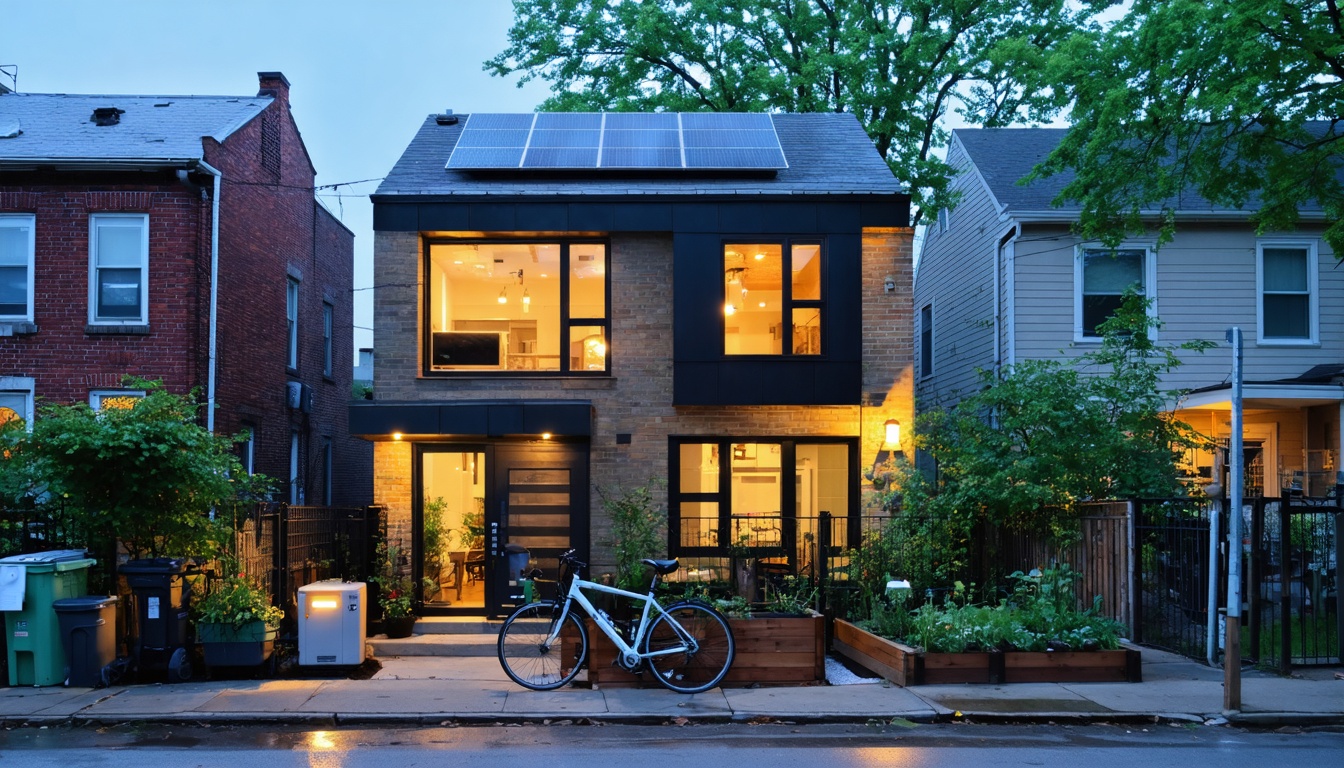
What a More Resilient Home Energy Plan Looks Like in Brooklyn, New York
Reliable energy is a critical concern for residents of Brooklyn, especially given the region's aging power infrastructure and increasing demand. Preparedness for power outages during adverse weather conditions, such as storms or heatwaves, is essential for both comfort and safety. A resilient home energy plan encompasses several key components: emergency preparedness, cost efficiency, and the ability to contribute positively to the local community. Implementing a home energy plan that includes renewable energy sources, such as solar panels, can provide a reliable backup during grid failures. Additionally, energy storage systems, like batteries, can store excess energy for use during outages or peak demand times, potentially reducing energy costs. Moreover, investing in energy-efficient appliances and smart home technology can help manage energy use more effectively, contributing to lower utility bills. Community-wide initiatives, such as neighborhood solar projects, can also promote energy resilience and sustainability while fostering a cooperative local economy. It is important to consider regulatory frameworks and financial incentives available for homeowners willing to invest in these technologies. This approach not only helps in managing individual energy needs but also strengthens the overall resilience of the community against outages and fluctuations in energy supply. Thus, creating a comprehensive energy plan involves careful analysis of both individual household needs and broader community capabilities.
Understanding Brooklyn’s Energy Reliability Challenges
Brooklyn's energy infrastructure is currently grappling with challenges stemming from both its age and limited capacity. Increasing demands on electrical systems, which are particularly pronounced during extreme weather events, have resulted in a rise in power outages. These outages disproportionately affect housing developments, especially affordable housing units.
Many existing electrical systems were originally built to support smaller urban loads and are now struggling to meet the heightened demands associated with heating, cooling, domestic hot water, and electrification.
This scenario carries broader implications for real estate equity and community development, in addition to hindering opportunities for the creation of open spaces. It is imperative that policymaking prioritizes clean energy initiatives and leverages the support of organizations like the New York State Energy Research and Development Authority (NYSERDA).
Continued research, development, and investment in energy infrastructure will be critical to improving the resilience of energy systems and ensuring better energy outcomes for New York State's vulnerable populations, particularly as the demand for dependable energy sources continues to escalate.
The Benefits of Distributed Energy Resources
The integration of distributed energy resources (DER) offers several advantages for urban areas like Brooklyn, which face challenges related to aging infrastructure and increasing energy demands. By deploying DER, it is possible to improve energy efficiency and lower operational costs tied to energy consumption.
The implementation of passive energy systems and electrification can play a critical role in managing energy loads, particularly during extreme weather events, thereby reducing the likelihood of power outages.
Additionally, the policies being pursued by the City are in line with federal and New York State incentives aimed at promoting the use of clean energy.
Lower-income households may stand to benefit considerably from the adoption of DER technologies. Community development initiatives, coupled with support from the New York State Energy Research and Development Authority (NYSERDA), could utilize publicly-owned open spaces to facilitate sustainable real estate development.
This strategy addresses both immediate energy demands and enhances community resilience in a systematic manner.
Integrating Solar and Battery Storage in Local Homes
As energy costs rise and extreme heat events become more frequent, New Yorkers are confronted with challenges related to energy reliability and affordability. For those looking to explore solar options, considering Solar Companies in Brooklyn can be a beneficial first step.
In this environment, integrating solar panels and battery storage into residential properties serves as a practical approach for enhancing energy resilience and achieving potential cost savings. Implementing solar systems can decrease reliance on the city’s electrical grid, aligning with ongoing efforts to advance clean energy initiatives and electrification.
Selecting a suitable solar and storage configuration allows homeowners to use stored energy during power outages or adverse weather events. This functionality can improve access to vital services, including domestic hot water, heating, and cooling.
Furthermore, initiatives from the New York State Energy Research and Development Authority (NYSERDA) alongside federal programs are broadening access to these technologies. Community solar projects are underway on publicly owned land and within affordable housing developments, thereby providing opportunities for enhanced energy resilience in neighborhoods like Brooklyn.
These initiatives contribute not only to individual households but also facilitate the transition toward a more sustainable energy system.
Addressing Energy Equity for Low-Income Residents
Energy innovation is an important factor in addressing the challenges faced by low-income residents in Brooklyn, particularly concerning energy costs and outdated infrastructure. Many individuals in multifamily housing or affordable living arrangements experience significant energy consumption, inconsistent electrical systems, and restricted access to clean energy technologies.
Programs like EnergyFit have been developed in response to community input and aim to improve equity by implementing energy-efficient strategies, solar energy initiatives, electrification, and upgrades to hot water systems. These initiatives are part of broader collaborative efforts between the City, the New York State Energy Research and Development Authority (NYSERDA), and various Community Development organizations.
The objective of these collaborations is to reform policies and enhance infrastructure that directly impacts low-income communities.
Focusing on essential energy upgrades may lead to substantial improvements in energy equity across New York State. This, in turn, could assist residents in managing the complexities of energy affordability while promoting sustainable energy practices.
Improving Infrastructure for Extreme Weather Resilience
As extreme weather events become more frequent and severe, improving home infrastructure is necessary for enhancing resilience in Brooklyn. Key strategies include elevating ground floors to meet Federal Emergency Management Agency (FEMA) standards and implementing underground stormwater retention systems, which are essential for areas susceptible to flooding.
In addition, adopting passive geothermal heating and cooling solutions, along with prioritizing electrification over gas-based systems, can lower energy demand during outages and support the transition to clean energy. This aligns with New York State's environmental policies aimed at decreasing dependence on fossil fuels.
Features such as high airtightness standards, green roofs, and well-insulated windows can further reduce the strain on electrical infrastructure, which is critical for affordable housing.
To support these strategies, investing in research and development is important, coupled with collaboration with the New York State Energy Research and Development Authority (NYSERDA). These actions can contribute to building a more resilient infrastructure for Brooklyn in the face of extreme weather challenges.
Community Engagement and Program Design
An effective home energy plan for Brooklyn's diverse neighborhoods requires a clear understanding of resident needs and the creation of targeted program design. Engaging with local residents is essential in identifying the specific challenges faced by various communities, especially in low-income areas where many homes are small and often over a century old.
Programs like EnergyFit are designed to address these challenges by focusing on key aspects of energy efficiency and sustainability. Strategies employed in these programs include the electrification of domestic hot water systems, the use of passive heating and cooling techniques, and the installation of solar energy systems. These initiatives are intended to increase the efficiency of current energy systems while improving load management within neighborhoods.
Effective implementation of these programs relies on collaborative efforts involving city agencies, the New York State Energy Research and Development Authority (NYSERDA), and Community Development Corporations.
These partnerships are crucial as they provide necessary resources such as policy frameworks, funding opportunities, and expertise in affordable housing and urban development. Such cooperation enables a comprehensive approach to community energy planning that can better serve the diverse needs of Brooklyn's residents.
Streamlining Permitting and Interconnection Processes
Streamlining the permitting and interconnection processes for distributed energy resources, such as solar panels and battery systems, can enhance the deployment of these technologies in Brooklyn. By simplifying policies and reducing bureaucratic complexity, the City can promote the integration of clean energy solutions into affordable housing and small real estate developments.
This efficiency is significant for addressing electricity demand, particularly during extreme weather events and power outages.
Moreover, focusing on equity and electrification can improve access to essential services, including domestic hot water systems, passive heating and cooling solutions, and green roofing initiatives.
Agencies like the New York State Energy Research and Development Authority (NYSERDA) and the Development Authority are pivotal in the implementation of these systems, which helps extend sustainable energy opportunities across Brooklyn.
This strategy not only targets immediate energy requirements but also supports broader sustainable development goals.
Leveraging Municipal Assets for Clean Energy
Municipal properties in Brooklyn offer opportunities for the implementation of clean energy initiatives. By assessing publicly owned rooftops and open spaces, New York State and the City can facilitate the installation of solar energy systems, battery storage solutions, and green roofs.
Improving the electrical infrastructure in affordable housing, treatment facilities, and housing developments can help decrease electrical load and lower reliance on fossil fuels, particularly natural gas.
The New York State Energy Research and Development Authority (NYSERDA) and supportive Community Development policies can play a role in the expansion of these renewable energy systems, potentially enhancing equity in energy access during power outages and extreme weather events.
This approach establishes a framework for bolstering resilience and reducing operational costs for low-income households.
By investing in these clean energy initiatives, municipalities can work towards developing a sustainable energy landscape that considers both environmental sustainability and social equity.
Advancing Workforce Development in Clean Energy
Workforce development plays a significant role in the progress of Brooklyn's clean energy sector. Implementing targeted training programs specific to affordable housing developments and small businesses can create local employment opportunities.
These programs often incorporate technologies such as solar energy, electrification strategies, and domestic hot water systems, addressing issues like income inequality and vulnerabilities exacerbated by climate-related events and power outages.
Collaborations with organizations such as the New York State Energy Research and Development Authority (NYSERDA) work to align with local policies to effectively close the skills gap in critical areas, including green roofing, electrical infrastructure, and passive building design.
These initiatives have the potential to cultivate local expertise, enhance community development, and support Brooklyn's effort to reduce reliance on natural gas.
In conclusion, prioritizing workforce development in the clean energy sector aims to improve access to jobs while also contributing to wider objectives of sustainability and community resilience.
Securing Funding and Partnerships for Local Projects
The successful transition of a local energy project from the conceptual stage to implementation necessitates a reliable financial foundation and strategic collaborations. Securing funding from diverse sources, including federal and state government programs and private entities such as JPMorgan Chase and the New York State Energy Research and Development Authority (NYSERDA), is essential during this phase.
Establishing relationships with community development organizations that emphasize equity and affordable housing can strengthen the project's feasibility. These partnerships can facilitate the integration of passive and clean energy systems, which are important for advancing energy efficiency and sustainability goals.
When identifying suitable partners, it is critical to prioritize those focusing on research and development initiatives that aim to enhance electrical infrastructure, promote solar energy adoption, and improve domestic hot water systems. Collaboration in these areas can significantly support the overall objectives of the project.
Additionally, incorporating green infrastructure elements, such as green roofs, into real estate developments can improve resilience to adverse weather events and utility outages. Such measures are beneficial not only for individual housing projects but also for promoting a more sustainable energy framework within Brooklyn’s neighborhoods.
In conclusion, effective strategies for securing funding and establishing partnerships are vital for maximizing the potential of local energy projects. These efforts contribute to the overarching aim of fostering sustainable and equitable energy solutions in the community.
Conclusion
Adopting a more resilient home energy plan can enhance your preparedness for power outages and contribute to a more dependable energy future for both individual households and the broader community. Key components of a resilient energy strategy include the integration of renewable energy sources, improvements in energy infrastructure, and engagement with local support programs. Renewables, such as solar panels and wind turbines, offer clean energy alternatives that can reduce reliance on traditional power grids, especially during outages caused by extreme weather. Upgrading home insulation, HVAC systems, and appliances can also improve energy efficiency, which may lead to lower utility bills over time and reduced vulnerability to rising energy costs. Additionally, Brooklyn provides various resources and incentives aimed at promoting energy resilience. These include financial rebates, grants, and educational programs that can assist homeowners in making informed decisions regarding their energy needs. Participation in community initiatives can further enhance local energy security, allowing residents to share resources and strategies for energy management. In summary, a well-conceived home energy plan not only addresses immediate concerns such as power reliability but also plays a critical role in mitigating long-term challenges associated with climate change and energy inflation.